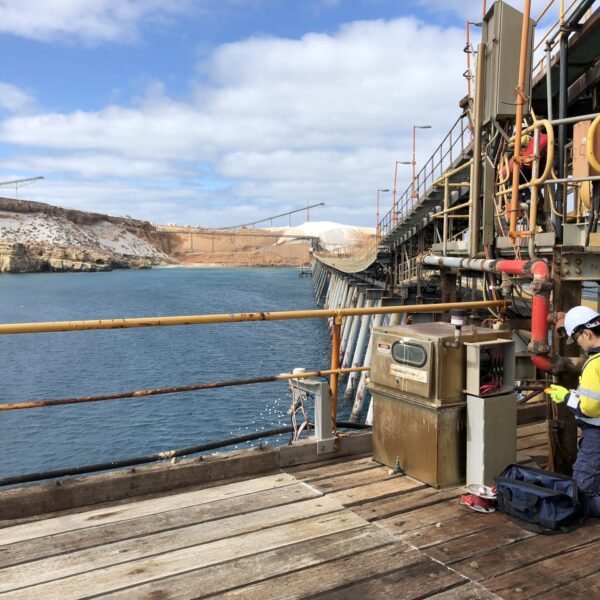
Corrosion is one of the leading causes of infrastructure deterioration and failure. MEnD’s cathodic protection (CP) services help prevent corrosion at its source, extending the life of pipelines, tanks, wharves, and reinforced concrete structures. The result is fewer outages, reduced risk of failures and leaks, and deferred capital replacement costs.
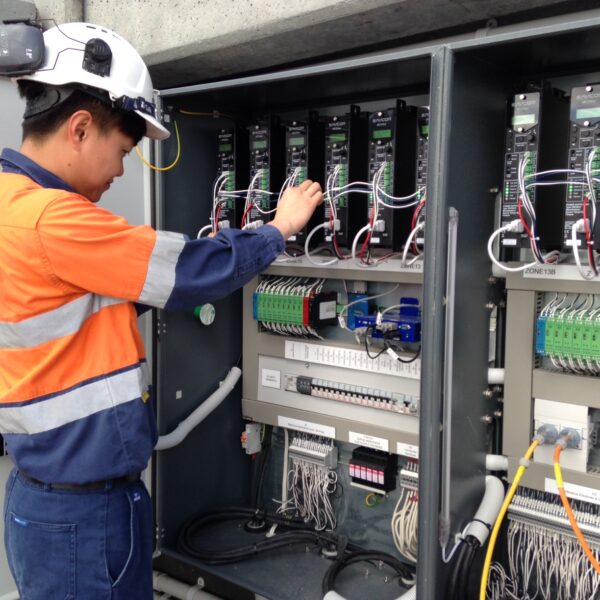
Protection tailored to your asset, backed by data
We tailor every CP system to your structure, including its geometry, exposure conditions and constructability, so protection fits the asset rather than the other way around. Our experienced team delivers a complete design and specification service built around how your asset is constructed and operated.
By controlling corrosion, we help you cut maintenance costs, reduce the risk of failures and leaks, and keep reliability high. Every system is backed by live monitoring and clear reporting, giving you data you can act on.
From design and installation through to commissioning and monitoring, we protect your investment across the full asset lifecycle.
Benefit from our innovative approach
Leading the advancement of CP technologies in Australia, we combine engineering expertise with practical delivery. Our team advises on product specifications, conducts detailed site assessments, and designs and commissions in-situ trials to optimise performance and extend asset life.
Our engineers are accredited by recognised industry bodies, including the Australian Corrosion Association (ACA) and the Association for Materials Protection and Performance (AMPP). Backed by ISO 9001, ISO 14001 and AS/NZS ISO 45001 certifications, we consistently deliver safe, high-quality outcomes.
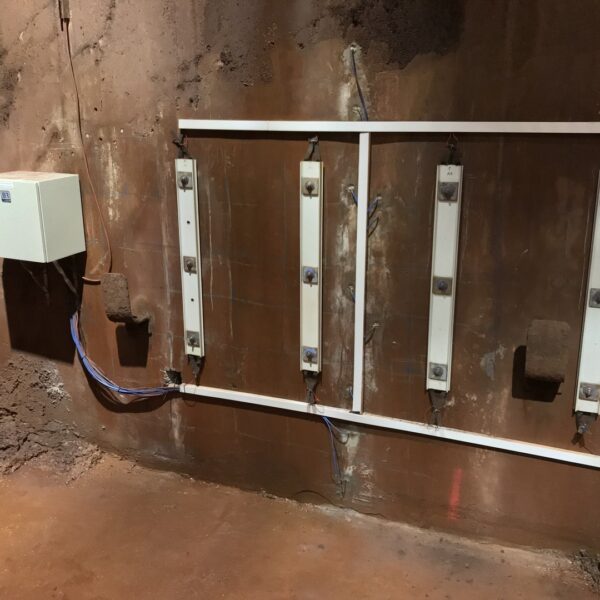
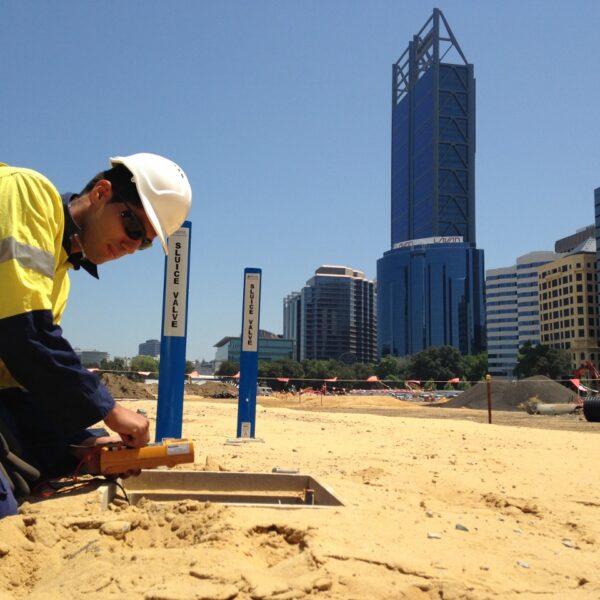
Protecting asset performance at every stage
Design and trial
Benefit from a bespoke CP design and specification service, as well as a tailored CP trial service with new innovative products designed to deliver the best outcome.
Installation and supervision
Our team can install CP systems, using practical know-how to design delivery strategies that ensure reliability.
Commissioning
Experienced in delivering compliant outcomes, we commission cathodic protection systems to Australian Standards (AS 2832).
Monitoring
Our in-house engineers diagnose and remedy faults and provide ongoing performance monitoring and operation of your CP system — protecting performance long after installation.
Cathodic protection systems tailored to your asset
Sacrificial anode cathodic protection
Sacrificial anode cathodic protection (SACP) uses a less noble material as the anode, which is connected to the structure via metallic conductors to supply protective electrons. This method is well suited to pipelines, distribution networks, above- and below-ground storage tanks, and refining infrastructure.
Impressed current cathodic protection
Impressed current cathodic protection (ICCP) uses inert, impressed-current anodes connected to an external power source. This source, often a DC power supply, provides
the necessary current to drive the electrochemical reaction required for CP to occur. ICCP systems are typically used for large structures which require a greater span of protection.
Hybrid anode system
The hybrid anode system combines elements of re-alkalisation, CP and galvanic protection. It can be applied as a global or targeted protection system for the concrete element, or the whole structure. A hybrid anode system is for reinforced concrete structures only.